School safety is not a single program, rule, or device. It is a society, built day by day, that shows trainees just how to react when routine breaks. A properly designed first aid course woven into the academic year gives youngsters functional abilities, calm under stress, and a feeling of agency. When a trainee acknowledges the signs of a bronchial asthma assault on the playground, or a schoolmate collapses during setting up, the right feedback in the very first 3 minutes usually figures out the outcome. The difference between panic and purposeful activity is training.
I have assisted schools roll out first aid training across year levels, from short workshops in Year 5 to approved CPR courses for older teens. The institutions that see lasting influence treat first aid as a skillset and an attitude. They use age-appropriate circumstances, freshen abilities routinely, and link the discovering back to the locations where occurrences happen most, like sporting activities areas, scientific research laboratories, stairwells, kitchens, and car parks throughout pick-up. The rest of this piece distills those lessons into what to show, how to educate it, and how to maintain it without overloading staff or budgets.
What pupils actually deal with on campus
The saying is a hypothetical calamity. Genuine school cases are common and regular. Over a normal year in a big high school, you will certainly see small cuts, strains, nosebleeds, moderate allergic reactions, fainting, warmth tension on warm days, and periodic head knocks throughout sport. Key colleges add play ground falls and choking on little treats. Unusual however high-stakes occasions include extreme asthma attacks, anaphylaxis, seizures, and sudden heart attack. The numbers vary by area and environment, yet patterns are consistent: a couple of major events per term, loads of minor injuries, and lots of moments where early support protects against escalation.
A student-focused first aid course ought to mirror this account. Show the basics that put on whatever: examining risk, calling for help, and supplying fundamental care without making injuries worse. Then lean right into high-frequency circumstances and the few time-critical ones where minutes matter, such as CPR, choking, and anaphylaxis.
Building a curriculum that fits the institution week
The most effective programs begin decently and broaden. As opposed to a one-off event, plan a staged approach that matches cognitive development and convenience degrees. For Years 3 to 6, create short, hands-on sessions that stress staying risk-free, seeking adult assistance, and easy first aid like cleansing a scrape. For very early additional, introduce organized actions and decision-making. For elderly pupils, consist of accredited first aid and CPR training that can result in a first aid certificate recognized past school.
A convenient design mixes three components. First, a yearly core session for every year degree that covers the fundamentals and a couple of age-appropriate circumstances. Second, integration points across the curriculum, like practicing healing setting in health course or computing compression prices in a math exercise as an interest hook. Third, expansion opportunities, such as a first aid club, peer assistance teams at sporting activities events, or a cpr refresher course for trainee leaders midyear.
Age-appropriate material by stage
Students remember what they do with their hands more than what they hear. Each phase must supply basic steps, practice on tools or peers, and reflection on when not to intervene.
Early key: focus on safety and security policies, remaining tranquility, and calling for assistance. Give them language: "Check if it is safe, get an adult, call 000 or 911." They can learn to stop hemorrhaging with pressure utilizing a tidy towel, to sit a dizzy friend down, and to tell a grown-up if somebody is having difficulty breathing. At this age, you do not educate CPR compressions at deepness, yet you can introduce the rhythm utilizing a soft toy and a metronome set near 100 to 120 beats per minute.
Upper primary: include choking feedback for self and others, basic nosebleed care, basic injury cleaning, and how to speak to emergency dispatch with clear area information. Role-play aids, as an example, exercising exactly how to direct an ambulance sideways gate near the gym.
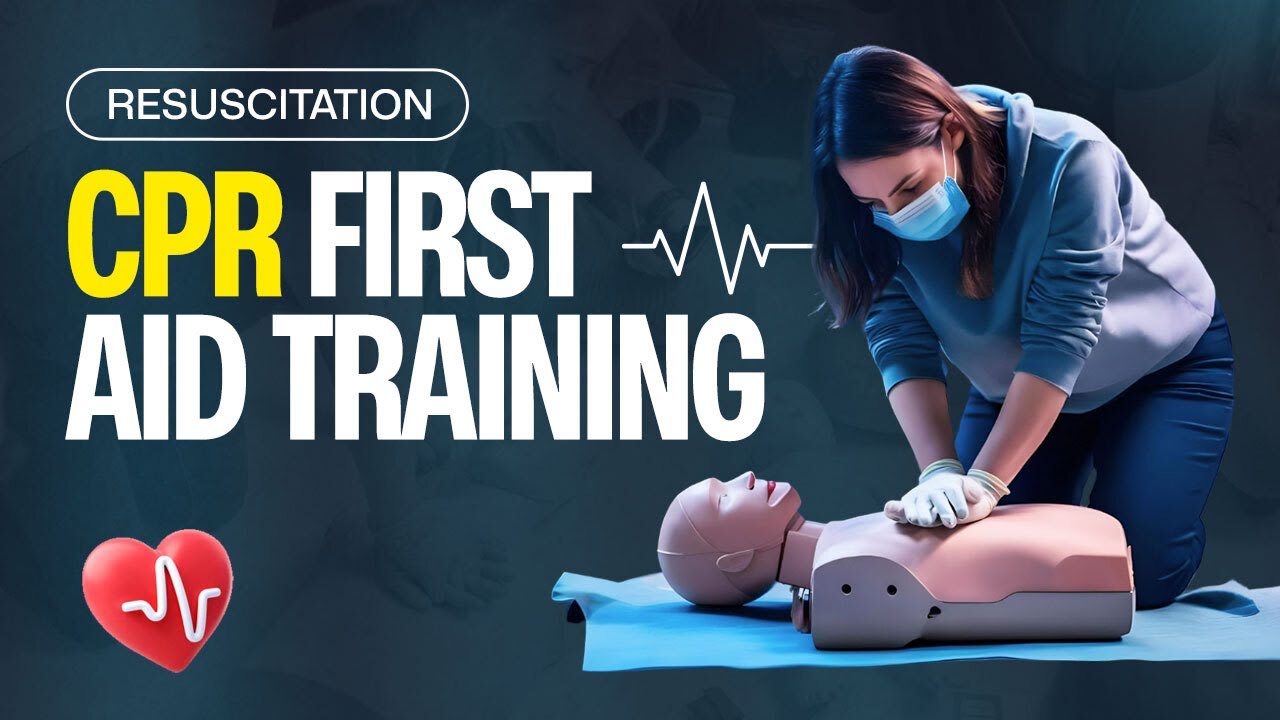
Lower second: instruct organized analysis with the DRSABC or similar sequence, utilizing simple language and repetition up until it is automatic. This is where you present practical CPR training with full-sized manikins, AED understanding, acknowledgment of bronchial asthma and anaphylaxis, and the CPR Near Me Carrara recuperation placement. Consist of components appropriate to science laboratories and sports. Pupils must practice calling an ambulance, putting an AED, and supplying compressions for two mins while a companion counts aloud.
Upper secondary: cover a total first aid and cpr course that satisfies national criteria, consisting of CPR, choking, hemorrhaging control, shock, fractures, strains, back preventative measures, seizures, diabetes-related emergencies, warm stress and anxiety, and ecological injuries. If the jurisdiction enables, trainees can finish a certified first aid course and receive a first aid certificate that stays valid for a specified period. For those in leadership functions like home captains or sports captains, provide a cpr refresher course each year.
Choosing a provider without the advertising fog
The market for first aid courses is crowded. A couple of concerns punctured the noise. Ask whether the educational program aligns with your nation's resuscitation council guidelines and whether their cpr training uses feedback-equipped manikins that measure deepness, rate, and recoil. For anaphylaxis and bronchial asthma, search for circumstance training with fitness instructor adrenaline auto-injectors and spacer gadgets. If they guarantee certification, validate the releasing body and the money of the qualification.
Experienced service providers will certainly change content to your case account and facilities. If your institution runs exterior education and learning, they can include heat health problem and snakebite protocols relevant to your area. If you have a huge songs or dramatization program, they can simulate managing a passing out episode backstage where lighting and crowd flow are variables. In my experience, instructors who have actually operated in colleges bring various energy: they manage areas of teenagers, balance roughness and reassurance, and keep examples based without scaring students.
Some colleges like a combined model: bring in first aid pro fitness instructors for the core CPR course and certification, then have team deliver shorter refreshers utilizing the provider's materials. This saves cost and builds internal capacity.
Integrating CPR and AED make use of without fear
Cardiac apprehension in school-age children is unusual, however it takes place, more frequently in adolescents and frequently connected to undiagnosed conditions or exertion. The objective is not to terrify students, yet to stabilize crucial action. An excellent cpr course strips it down. Examine feedback, telephone call for help, begin compressions hard and fast, send out a person for the AED. Trainees practice switching functions every two mins to decrease exhaustion. In schools with an AED, include a stroll to the device, opening up the closet alarm, turning on the device, and complying with the voice triggers on a fitness instructor device. That easy experience lowers reluctance if ever before needed.
Schools occasionally fret about responsibility. Most areas have Do-gooder securities, and AEDs are developed to shock only when shown. Highlight that doing something is almost always far better than doing nothing, which compressions and defibrillation in the very first minutes can increase or three-way survival. When the law or policy permits, make AED places visible on university maps and show student workplace aides and sports captains to retrieve the gadget quickly.

Making technique genuine with scenarios
The greatest change in trainee self-confidence comes not from slides, but from situations that seem like college. Use places and times they acknowledge: a lunch break soccer video game, a Year 10 chemistry functional, a bus queue in the rainfall. Run short, rotating stations, 3 to 5 minutes each, with clear goals. One terminal might be a nosebleed in a hallway. An additional may be a rolled ankle on the stairways. An additional, a bronchial asthma flare throughout cross-country training. Keep the debriefs crisp: what worked out, what would you do differently, that else ought to be informed.
In senior years, add intricacy. Integrate group monitoring with treatment, like assisting a fainted student in a confined assembly aisle. Or exercise triaging two cases, a strain and a head knock, choosing who needs urgent interest and who can wait. Trainees discover synergy naturally: one telephone calls, one comforts, one gets materials, one documents details.

Equipment, spaces, and the small details that matter
Training experiences when students can not get their hands on equipment. For a year group of 150, go for at the very least one grown-up manikin per eight to ten trainees during cpr training. Responses devices are worth the leasing: students see green lights when they hit deepness and maintain rate, and their pose boosts within a session. Have one AED fitness instructor per 15 to 20 pupils. For anaphylaxis practice, bring at least 2 fitness instructor auto-injectors per group so everyone cycles with the muscle memory of eliminating the cap, pressing strongly, and counting.
On campus, map and label first aid kits, AEDs, and extra inhalers if plan permits. Place packages where injuries occur: gym, oval, tech room, scientific research laboratories, kitchen area locations, and main office. Supply them for the likely events: saline, gloves, triangular bandages, glue dressings, instant cold packs, and stress bandages for snakebite if pertinent. Refresh products every term and after major events.
The other small detail is time. Book spaces with enough space to kneel next to manikins, and stay clear of carpet that will elevate rubbing on knees throughout two-minute cycles. Location water and air flow near practice areas, given that compressions get perspiring rapidly. Stagger sessions to avoid crowding outside areas when a class changeover happens.
Teacher roles, training, and plan alignment
Teachers do not require to end up being paramedics, yet they do require self-confidence in their duty. Run a staff-first session before the student rollout. It soothes nerves, lines up language, and exposes logistical problems. Supply a quick-reference card or app relate to the school's emergency situation treatments and neighborhood ambulance number, and settle on radio or phone networks. When team manage pupil technique, brief them on observing method without shaming. Students will certainly press as well soft, lean on the upper body, or neglect to let it recoil. Mild correction and repetition repair most mistakes in 10 minutes.
Match the trainee program to your policies on medicine, head injury, and go back to play. If a trainee strikes their head, that calls home, who records the observation, and what is the default rest period? If an EpiPen is utilized, what is the handover protocol when paramedics show up? Create it down in plain language that pupils and personnel share. The best programs enhance the concept that assistance intensifies: peer assistance for first aid, staff management for choices, and professional care beyond that.
Working with moms and dads and the broader community
Parents sustain programs they recognize. A brief note home prior to training helps: what trainees will learn, that they may exercise compressions on a manikin, which no visuals material is made use of. Offer an evening demonstration once a year for families. Welcome your supplier to run a small session, show the AED location, and respond to concerns concerning allergic reactions, bronchial asthma, and sporting activities safety. The tone should be useful and calm.
Leverage neighborhood knowledge. Some institutions welcome a neighborhood nurse, a rescue police officer, or a sporting activities fitness instructor to sign up with the session on warmth stress and anxiety ahead of summer circus. If your location has a surf life saving club or comparable, team up for water safety components that get in touch with first aid and cpr.
Measuring influence without drowning in data
You do not need a thesis to understand if training works. Track a few signs each term. Keep in mind time to first aid feedback in simulated drills and at actual events. Tape-record the variety of trainees participating in cpr courses and first aid courses, and how many complete a first aid certificate. Survey self-reported self-confidence with a five-point range prior to and after sessions. Try to find patterns in occurrence reports: fewer escalations, better descriptions of occasions, quicker activation of emergency solutions when warranted.
One institution I worked with saw a decrease in sports-day ambulance transports over two years, not because injuries disappeared, yet because very early air conditioning, hydration, and better triage reduced the number that required urgent care. Another taped faster action to anaphylaxis occurrences after every trainee exercised the auto-injector sequence and knew where spares were kept.
Handling delicate scenarios and edge cases
A pupil that just recently shed a member of the family to a heart event might locate CPR technique challenging. Supply opt-in pathways. Allow pupils march, observe, or return when all set. Deal a silent corner for those who require a break. Similarly, think about social sensitivities when exercising touch-based techniques. Clear interaction and opt-out choices keep respect without thinning down the training.
Students with disabilities ought to be included with thoughtful adjustment. A pupil that uses a mobility device can still lead the scene assessment, call for aid, and instructor a partner on compressions. For trainees with limited hand toughness, they can practice AED steps and scene leadership. Inclusion constructs a more sensible team dynamic.
Refreshers, retention, and what discolors first
Skills decay promptly without method. Compressions shed depth, steps blur, and confidence drops. Plan light-touch refreshers. The easiest method is a five-minute CPR terminal in homeroom once a term. Rotate a manikin via class with a brief challenge: 2 mins of compressions at the correct rate with responses lights. For Year 12 students that finished a cpr course earlier in the year, run a cpr refresher course before examinations when schedules get unpredictable. For anaphylaxis and asthma, a five-minute hands-on recap with trainers and spacers once a semester maintains the strategy fresh.
Memory research studies reveal that series recall decomposes before electric motor ability. Pupils might remember how a compression feels, yet fail to remember the order of checks. Visuals assist. Location a straightforward DRSABC poster in health club modification rooms and laboratories. Keep it uncluttered: examine safety and security, check feedback, telephone call, open airway, check breathing, start compressions.
Cost, organizing, and making the numbers work
Budgets differ. A full-year rollout throughout a 1,000-student senior high school utilizing exterior fitness instructors for all sessions can extend sources. Crossbreed models maintain expenses sensible. Generate a carrier for vital year levels where qualification issues, generally Years 10 to 12. Train a tiny group of staff as facilitators to provide standard first aid training to junior years with provider-approved content. Share tools with surrounding colleges or work with for a concentrated week rather than erratic days. Collection sessions by residence or group to minimize arrangement time.
Scheduling functions best in blocks. A "Security Week" technique allows equipment to stay in one space and trainers to refine circulation. Connect it to sporting activities preseason or just before summer season. If block organizing is difficult, align sessions with CPR course near Oxley health and wellness courses and double periods to stay clear of reducing method short.
Legal and ethical clarity pupils can understand
Students commonly ask, what if I do it wrong? Show the principle of reasonable care: act within your training, do not take unnecessary risks, and look for help. Strengthen approval. If an aware individual declines aid, regard it and obtain a grownup. For subconscious individuals, implied permission uses. Stress and anxiety personal privacy and dignity: cover the trainee ideally, manage observers, and stay clear of sharing photos or details on social media sites. A thirty-second talk on boundaries does even more to construct maturation than a dense plan handout.
Linking first aid to more comprehensive wellbeing
First aid is not only concerning emergencies. It is a language of treatment that fits into a larger health and wellbeing program. Showing trainees to acknowledge early indicators of heat stress and anxiety or to ask a friend if they really feel faint supports a society where looking out for every various other is regular. Connect this to psychological health first aid concepts at elderly levels. While medical treatment varies, the posture https://brisbanefirstaidnearme.com/ is comparable: notice, ask, assistance, rise. Students that exercise calm feedbacks in physical emergencies usually lug that composure into other stressful moments.
What great resemble after a year
When a program functions, you feel it in small means. Students understand that to call and where to go. Teachers listen to clear, succinct reports over radios: "Play area near the oak tree, suspected sprain, student is seated, cold pack used." Sports captains order the set without prompting. In a scientific research lab, a spill gets handled and recorded promptly. After a peer faints in assembly, 2 students gently direct a course, one kneels to check breathing, somebody else fetches the AED just in situation, then they all go back when team get here. Later on, they debrief for 2 minutes and go back to class.
The school also holds its own. First aid certificates are tracked, cpr training logs are existing, and new staff obtain an instruction in week one. Moms and dads recognize the college's approach and the location of essential tools. The AED closet alarm system no more stuns, it assures. None of this guarantees similarity in every emergency situation, however it constructs predictability in the initial reaction, which is where safety and security lives.
Practical steps to start this term
- Map your events from the previous 2 years and pick the top five scenarios to secure training. Select a provider for senior cpr courses and first aid courses, confirm positioning with present guidelines, and lock dates. Train a core group of staff to facilitate junior sessions and run short refresher courses, and established a shared calendar. Purchase or hire ample manikins and an AED instructor, and stock first aid packages where incidents cluster. Communicate with parents and pupils, consisting of opt-out options for delicate material and clear language regarding goals.
A note on language and consistency
If your institution makes use of a particular series like DRSABC or taxi, stay with it throughout all materials. Straighten terms for the same things: auto-injector vs EpiPen, spacer vs chamber, healing setting vs lateral position. Pupils address rhythm and wording. Consistent language raises speed and lowers uncertainty in strained moments.
Bringing it all together
Implementing first aid and cpr courses in colleges is not a checkbox compliance workout. It is a promise that grownups and students will certainly fulfill hard minutes with skill and steadiness. Pick web content that mirrors your realities. Teach it with hands, not just words. Revitalize it prior to it fades. And weave it into the everyday life of the institution so that when a schoolmate chokes on a grape, or an asthma strike strikes after a sprint, action unfolds nearly automatically.
The expenses are modest compared to the risks. A day of specialist first aid training for elderly pupils, a set of manikins with responses, a routine of refresher courses, and a team who model calmness. The return is an university where students move from bystanders to assistants, where confidence grows silently, and where the first minutes of an emergency, the ones that matter most, come from individuals prepared to make use of them.